
A Marion Superior Court judge has dismissed Indiana’s lawsuit against Aylo, ruling that the adult entertainment company did not violate the state’s age verification law by failing to prevent access by users employing VPNs to bypass geolocation.
The ruling, issued on Wednesday, November 19, 2026, by Judge Patrick J. Dietrick, found that an adult website is not "publicly accessible" in Indiana "merely because a user can disguise his or her location." The court also stated that the law does not include or imply "an actual-location rule or a duty to defeat VPN circumvention."
Background of the Lawsuit
The lawsuit originated in December when Indiana Attorney General Todd Rokita filed a complaint against Aylo, the parent company of Pornhub, Brazzers, Youporn, Redtube, Faketaxi.com, and Spicevids.com. The complaint alleged that Aylo violated Indiana’s age verification law, Senate Bill 17, which mandates that websites featuring "material harmful to minors" must verify that visitors are 18 or older. Aylo had responded to the law by blocking access for Indiana residents based on IP addresses.
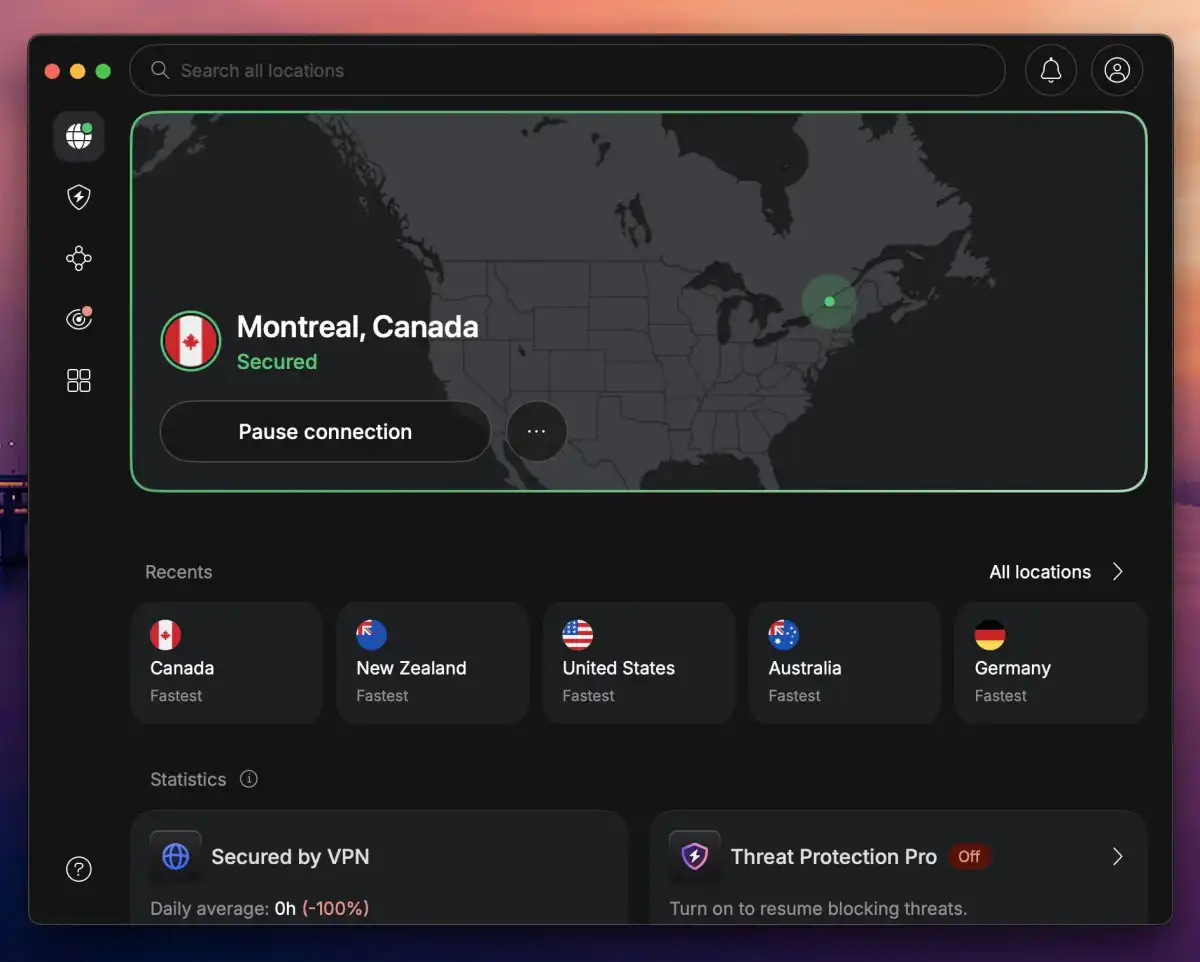
Rokita’s complaint contended that these IP address restrictions were "insufficient to comply with Indiana’s Age Verification Law because Indiana residents, including minors, can still easily access the Defendants’ websites with a VPN IP or proxy address from another jurisdiction or through the use of location spoofing software." Investigators working for Rokita’s office accessed Pornhub and other Aylo sites from Indiana using a VPN with a Chicago IP address. The state argued that this access demonstrated the sites "lacked any reasonable form of age verification."
In response, Aylo moved to dismiss the case, presenting several arguments. Aylo asserted that Indiana’s claims burdened the company’s exercise of free speech more than necessary to protect minors under the state’s age verification law. The company also argued that Indiana’s interpretation of the law violated the 14th Amendment’s Due Process Clause by applying the law outside of the state without notice, rendering the statute "unconstitutionally vague." Additionally, Aylo contended that Indiana’s interpretation violated the Commerce Clause of the U.S. Constitution by seeking to regulate conduct in other states.
Court's Decision and Reasoning
Judge Dietrick agreed with Aylo’s arguments. In his ruling, he cited the Supreme Court ruling in Free Speech Coalition v. Paxton, which declared state age verification laws constitutional under "intermediate scrutiny." However, Dietrick noted that this pivotal case "did not address applying a State’s regime to users presenting out-of-state IP addresses after the operator has withheld adult content from users it identifies as being in the State."
Dietrick stated that "Indiana has a substantial interest in regulating access by users it can identify as being in Indiana, but no comparable interest in requiring adults in other States or countries to submit to Indiana age verification, or to prove that they are not in Indiana, before accessing lawful speech." He concluded that "Forcing publishers to conform their nationwide and worldwide practices to Indiana’s most restrictive application would burden substantially more speech than necessary and is not narrow tailoring under intermediate scrutiny."
The ruling also addressed the Due Process Clause, stating that the Indiana age verification law "says nothing about VPNs, proxy servers, or liability for content served to users presenting out-of-state IP addresses, and so gives no notice that an operator that blocks or age-verifies the users it identifies as being in Indiana remains liable based on a physical location the user concealed." This lack of notice, the ruling continued, denied Aylo due process.
Furthermore, Dietrick deemed the state’s interpretation of the law a violation of the Commerce Clause. He wrote, "The Internet is a channel of interstate commerce, and a State may not require out-of-state transactions to satisfy its law before they may occur." He added that "The State’s theory would eliminate the safe harbor of withdrawing from Indiana and require operators to apply Indiana age or location verification to traffic that appears to come from other States or countries, which is direct regulation of interstate and foreign commerce."
Industry Implications and Related Cases
Industry attorney Corey Silverstein commented on the ruling, calling it "a significant victory for Aylo and a potentially important development for the adult entertainment industry." Silverstein noted that the court did not solely rely on jurisdictional grounds but also concluded that Indiana's complaint failed to state a viable claim and that the state's proposed interpretation of its age verification statute would violate the First Amendment, Due Process Clause, and Commerce Clause.
The Indiana ruling follows a related court battle in Utah, where a federal court recently paused Aylo’s suit over a state law that imposes liability on adult websites if minors bypass age verification by circumventing geolocation efforts. The Utah statute differs by specifically imposing liability based on a user's actual physical location, regardless of VPN use. A federal court ruled that the VPN provision in the Utah law is likely unconstitutional under the dormant Commerce Clause and issued a preliminary injunction against it. That litigation is currently on hold while Utah considers potential legislative changes.
Silverstein highlighted that both the Indiana and Utah courts recognized a "fundamental problem": "States cannot impose effectively impossible compliance obligations on website operators simply because internet users can conceal their geographic locations." He found it "especially significant that the Indiana court expressly relied on the Utah ruling," indicating that these decisions are not isolated and that courts are beginning to recognize the broader constitutional implications of attempting to regulate internet traffic based on geographic locations that website operators cannot reliably determine.
Silverstein emphasized that the Supreme Court's decision in Free Speech Coalition v. Paxton did not grant states unlimited authority to regulate adult websites. While Paxton upheld age verification requirements under intermediate scrutiny, it "did not authorize states to impose liability for conduct occurring outside their borders or require website operators to achieve technological perfection." He believes the Indiana court expressly recognized this distinction and that the decision "sends a powerful message to lawmakers and attorneys general who believe that increasingly aggressive enforcement is the solution to VPN circumvention."
However, Silverstein cautioned that while the decision demonstrates courts' willingness to impose constitutional limits on state age verification enforcement, operators should remember that limits on VPN-related liability do not limit states’ underlying authority to impose other, constitutional age verification requirements. He also noted that while the Utah and Indiana cases represent the beginning of a potentially meaningful judicial trend, the issue is not "definitively settled," as certain claims were dismissed without prejudice for lack of personal jurisdiction, and Indiana may appeal the ruling.
Silverstein concluded that the broader message is straightforward: "Protecting minors is a legitimate governmental objective, but that objective does not excuse unconstitutional legislation, unreasonable enforcement theories, or compliance obligations that are technologically impossible to satisfy."
Key Facts
- A Marion Superior Court judge dismissed Indiana’s lawsuit against Aylo on November 19, 2026.
- The lawsuit alleged Aylo violated Indiana’s age verification law by not preventing VPN users from accessing adult content.
- Judge Patrick J. Dietrick ruled that the law does not require adult websites to defeat VPN circumvention.
- The court found Indiana’s interpretation of the law violated the First Amendment, Due Process Clause, and Commerce Clause.
- Attorney Corey Silverstein described the ruling as a "significant victory for Aylo and a potentially important development for the adult entertainment industry."
- The ruling follows a similar case in Utah, where a federal court issued a preliminary injunction against a VPN provision in a state age verification law.