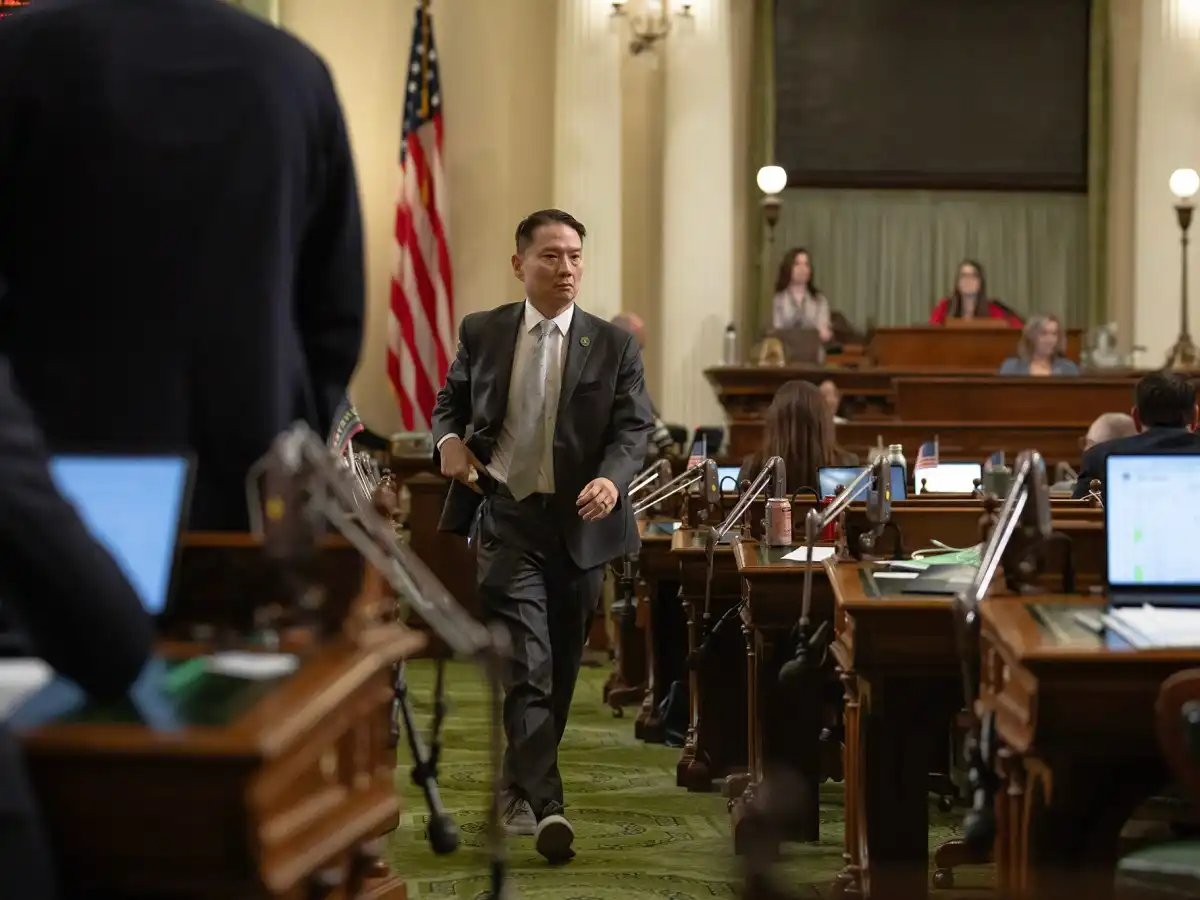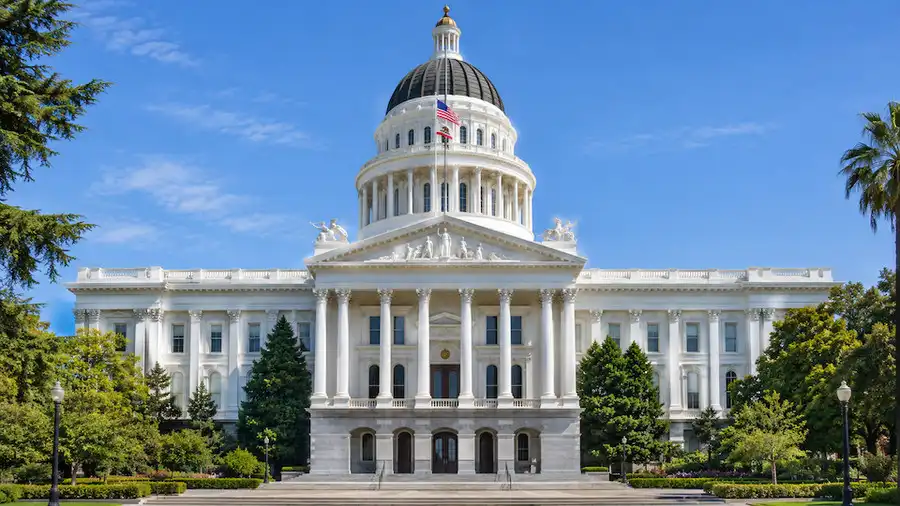

California Governor Gavin Newsom recently signed Assembly Bill (AB) 1705 into law, establishing new consent and recordkeeping requirements for online adult platforms accessible within California. This legislation, effective January 1, 2027, mandates stricter regulations for user-generated content uploaded to adult websites.
New Requirements for Adult Platforms
AB 1705, proposed by Democratic Asm. Rebecca Bauer-Kahan and Republican Asm. Diane Dixon, requires adult site operators to implement new procedures for user-generated content. Users uploading content must now submit an email address and a certification statement, under penalty of perjury. This certification must affirm that individuals depicted in the content were adults at the time of creation, consented to being depicted, and consented to the content being uploaded to the websites.
The new state law also mandates that operators verify users' email addresses before allowing uploads. Furthermore, the certification statement and associated information must be retained for a minimum of seven years. This legislation expands upon existing federal Section 2257 recordkeeping regulations.
Violations of AB 1705 can result in civil actions. Depicted individuals may seek damages of up to $75,000 per violation, which can include punitive damages and legal fees. Public prosecutors are also authorized to bring civil actions, seeking penalties of $25,000 per violation, along with other relief and fees.
Many high-traffic adult web platforms, such as Aylo's Pornhub and Hammy Media's xHamster, already require user and content creator verification for uploads. Platforms like OnlyFans also subject content creators to criminal background checks. These platforms often require the retention of model releases and other documents related to mutual consent, distribution rights, and intellectual property rights protections.
Industry Response and Concerns
Mike Stabile, director of public policy at the Free Speech Coalition, an adult industry trade group, noted that adult platforms and businesses are "being held to a different standard than non-adult businesses." Stabile indicated that while AB 1705 represents a development, reputable adult platforms already mandate similar requirements. He stated that the Free Speech Coalition will work with its members to inform them about the law and compliance requirements.
Lawrence Walters, an attorney representing adult industry clients, advised site operators and adult content creators to review their upload flows, age and consent workflows, and retention practices. Walters highlighted potential jurisdictional impacts of AB 1705 that could lead to litigation in state and federal courts. He expressed concerns that the statute's "extraterritorial reach, perjury certification requirement, and accumulating daily penalties raise serious First Amendment and due process concerns that are likely to be tested in court," suggesting the law "should be invalidated as a content-based restriction on protected speech."
Corey Silverstein, another attorney representing adult entertainment clients, advised industry members to be "concerned" but to ensure compliance. Silverstein acknowledged the importance of preventing child sexual abuse material and nonconsensual intimate imagery, stating that "responsible adult businesses share that objective." However, he cautioned that "California’s AB 1705 creates substantial compliance obligations and litigation exposure that operators cannot afford to underestimate." Silverstein also expressed concern about how courts will apply the law’s "reasonable-care standard in practice," noting that uncertainty could lead platforms to remove lawful content defensively. He emphasized the need for "workable standards that protect people without making legitimate adult expression prohibitively expensive to host."
Broader California Privacy Landscape
AB 1705 builds on state legislative trends in California that push for state-level recordkeeping provisions. California has also recently updated its privacy framework with other new bills. Assembly Bill 566, signed into law on October 8, 2025, focuses on opt-out preference signals. The definition of sensitive personal information now explicitly includes neural data, and all data from minors under 16 is automatically classified as sensitive personal information. Additionally, the 12-month lookback period for consumer data requests has been removed, requiring businesses to handle requests for data collected since January 1, 2022. New regulations also provide specific examples of "dark patterns" in consent interfaces, and automated decision-making systems will face new rules by January 2027.
Key Facts
- California Gov. Gavin Newsom signed AB 1705 into law on September 30, 2026.
- The law takes effect on January 1, 2027.
- AB 1705 requires adult platforms to obtain email addresses and perjury-backed certification statements from users uploading content.
- Operators must verify email addresses and retain statements for at least seven years.
- Violations carry civil penalties of up to $75,000 per violation for depicted individuals and $25,000 per violation for public prosecutors.
- Attorneys Lawrence Walters and Corey Silverstein have raised concerns about the law's potential legal challenges and compliance burdens.