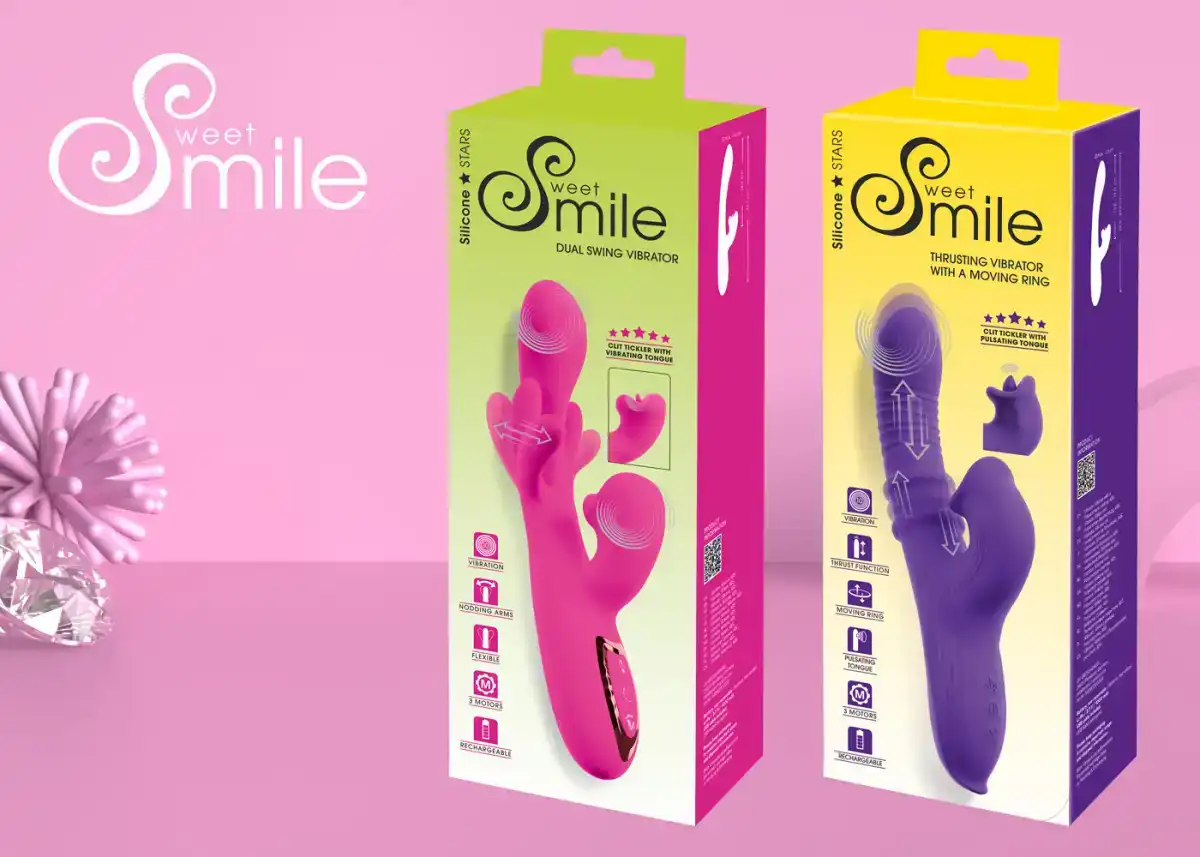

Adult retailers are increasingly adopting experiential strategies to foster deeper customer connections and drive sales, moving beyond the convenience-focused model of e-commerce. This shift aims to reintroduce presence, conversation, and context into the retail experience, addressing a perceived gap left by digital-only platforms.
The Limits of Convenience
For years, the adult retail industry has relied heavily on convenience as a primary growth driver. E-commerce offers accessibility, efficiency, and discretion, allowing consumers to browse, compare, and purchase from their homes. However, this model has also created a distance between brands and consumers, stripping away essential elements of connection.
Experiential retail is emerging as a necessary correction to this trend. The assumption that convenience alone equates to conversion has limitations, particularly in a category that still carries stigma and involves deeply personal decisions. Consumers are not just buying products; they are navigating questions about their bodies, relationships, and identities. A product page or search bar cannot provide the real-time answers, reassurance, or nuanced human conversation that a physical, experiential environment can offer.
The success of experiential environments is rooted in intentional design that slows the pace, softens the atmosphere, and curates cohesive product selections. Crucially, these spaces aim to remove the pressure often associated with adult retail interactions. In conventional settings, bright lighting, open layouts, and a transactional tone can heighten customer discomfort, leading to less engagement and missed sales. Experiential formats, conversely, signal a safe space for exploration, encouraging customers to stay longer, ask questions, engage, and ultimately, purchase.
Unlocking Deeper Insights and Collaboration
One of the significant advantages of experiential retail is the quality of insight it yields, which is often missed in purely digital environments. While digital analytics track click-through rates and conversion funnels, they do not capture the reasons behind customer hesitation, unasked questions, or moments of product rejection. In a live, experiential setting, these moments are observable. Retailers can see where customers pause, hear the language they use, and identify patterns that dashboards cannot surface.
This actionable insight is invaluable for guiding product development, influencing merchandising, sharpening marketing language, and enhancing retail staff training to improve sales. Ignoring this level of insight in favor of digital data represents a strategic blind spot for retailers.
Furthermore, experiential retail is fostering a shift toward collaboration over competition. Many effective curated marketplaces are built around complementary products from female-led brands. For instance, lingerie may be displayed alongside body care, and candles paired with sexual wellness products. This reflects how consumers engage with sensuality as part of a broader lifestyle, rather than as isolated purchases. Through partnerships, retailers can expand product offerings, create layered sensory experiences, and strategically extend their brand. Collaborating on items such as body-care products or branded candles serves as more than an add-on; it is a strategic brand extension.
In an increasingly crowded digital marketplace, collaboration offers an alternative to costly and often unsustainable competition for attention. Shared audiences, cross-promotion, and aligned messaging create a multiplier effect that benefits all involved parties, representing smart business rather than just community building.
Reshaping Perception and Driving Profitability
Perhaps the most profound impact of experiential retail is its role in reshaping the perception of adult products. For decades, these products have existed on the margins, treated as separate, hidden, or secondary to mainstream retail, which has limited growth. Experiential retail directly challenges this positioning by placing products in curated, aesthetically intentional environments. This reframes the category, integrating it into conversations about wellness, lifestyle, and everyday life.
When products are normalized, customer engagement shifts. Hesitation decreases, curiosity increases, and a greater willingness to explore emerges. This exploration leads to larger basket sizes, more repeat purchases, and stronger brand loyalty. Therefore, perception is not merely a branding issue but a significant revenue driver.
Experiential retail is not intended to replace e-commerce, which remains essential for scale, accessibility, and convenience. Instead, it supports e-commerce by building trust. By providing customers with meaningful engagement with products, brands, or the category in a physical space, experiential retail builds the confidence needed for online purchasing decisions. The future of adult retail is seen as integrated, combining the strengths of both digital and physical channels.
Key Facts
- Experiential retail aims to create unique and interactive experiences in physical retail environments.
- The goal is to provide memorable experiences, not just transactional exchanges.
- 80% of customers indicate that customer experience is as important as products and services.
- Experiential retail fosters human connection and brand loyalty.
- Collaboration among brands is becoming a competitive advantage in this space.
- Experiential retail helps normalize adult products and reframe them as part of lifestyle and wellness.