A federal district judge has agreed to pause a lawsuit challenging a Utah law targeting the use of virtual private networks (VPNs) to circumvent the state's age verification statute. This delay, requested jointly by the state of Utah and Aylo, Pornhub's parent company, will allow the Utah state legislature to clarify the law's provisions.
Litigation Halted for Legislative Review
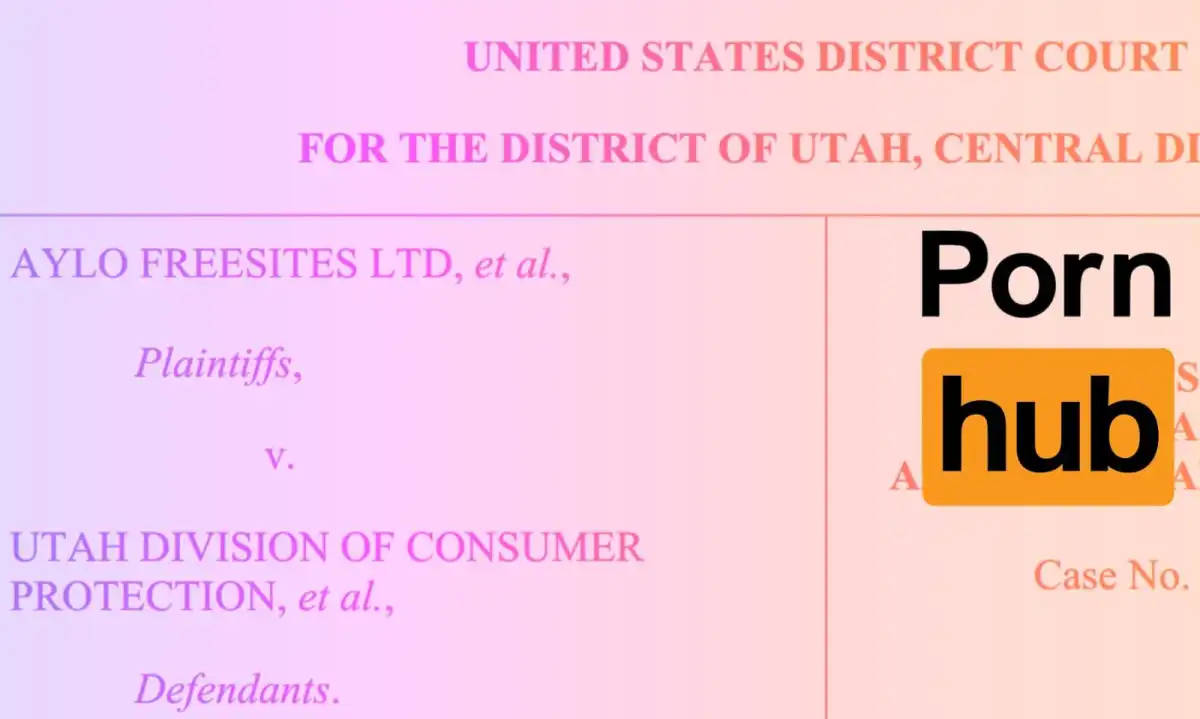
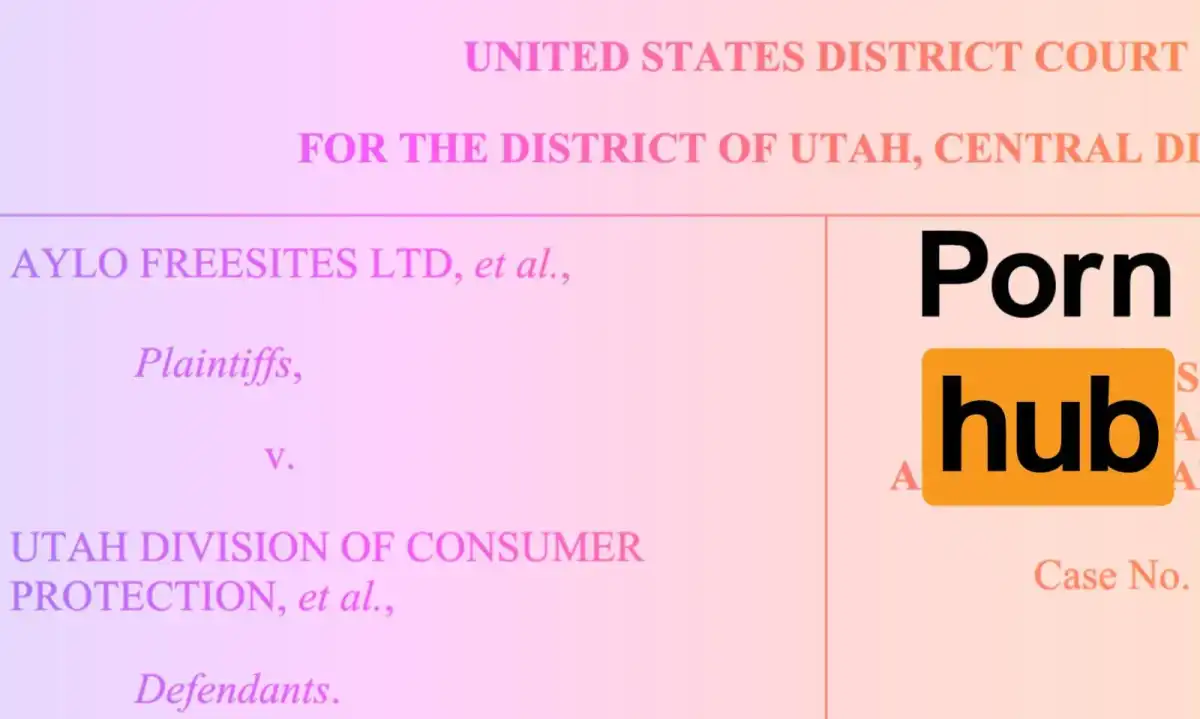
On October 13, 2026, U.S. District Judge David Barlow of the District of Utah accepted a joint motion to stall litigation challenging Utah's Senate Bill 73 (SB 73). The lawsuit, filed by Aylo, sought an injunction against the "deemed-location" provision of the age verification bill, which was signed into law in March. This provision states that an individual is considered to be accessing a website from Utah if they are physically in the state, regardless of whether they use a VPN, proxy server, or other means to disguise their geographic location.
The joint filing from attorneys for Aylo and the Utah Attorney General's Office indicated that the parties anticipate the Utah Legislature may consider amending the statute. The attorneys argued that staying further proceedings would be the most efficient course for both parties and the Court to see what, if any, amendments the Legislature makes to the challenged provisions of SB 73. Judge Barlow's decision delays litigation until after the Utah state legislature adjourns next year.
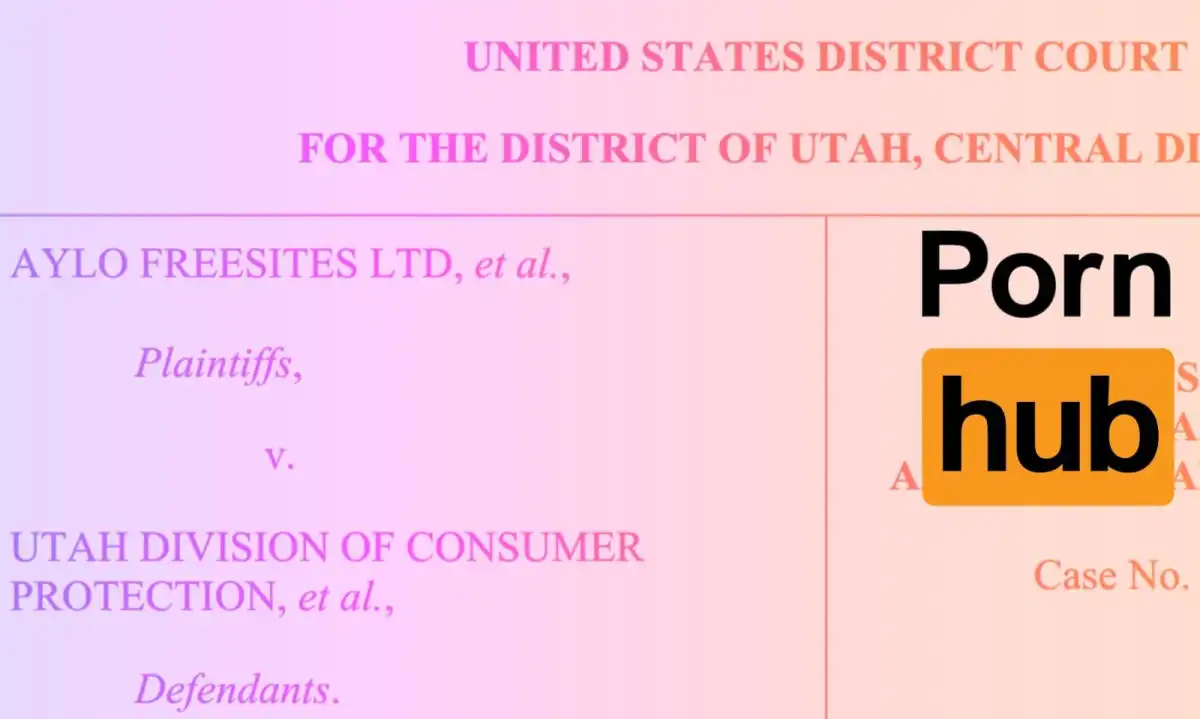
The case originated in April when Aylo filed a complaint with the U.S. District Court for the District of Utah, Central Division. Aylo argued that the deemed-location/VPN provisions of the law would expose adult entertainment companies to civil penalties and potential criminal liability. The company contended that the law would necessitate implementing Utah’s age-verification regime "for every user of their platforms, anywhere in the world," asserting this requirement would constitute "impermissible extraterritorial legislation" by "projecting its polic[y]."
Weeks prior to the stay, on September 24, 2026, Judge Barlow issued a preliminary injunction that initially blocked the enforcement of SB 73. In his order, Judge Barlow agreed with Aylo that it would be nearly impossible for the company to follow the age-verification law because it would require the company to “geolocate its website users with perfection to avoid liability.” The judge noted it is “undisputed” that technology capable of perfect geolocation does not exist yet, and ruled that Aylo is likely to succeed in its case since it has shown the law does irreparable harm to the company.
Industry Attorneys Weigh In
Lawrence Walters, an attorney representing adult entertainment industry clients, described the development as "sensible." Walters stated that rather than forcing continued litigation over a provision both sides appear to recognize may need revision, the joint request for a stay allows the legislature an opportunity to address the technical and legal realities of the internet. He added that perfect geolocation does not exist, and laws that ignore that fact risk imposing extraterritorial burdens, chilling protected speech, and creating unworkable compliance obligations for platforms. Walters expressed hope that Utah lawmakers would use this pause to repeal the law and potentially craft a more carefully tailored approach that respects both legitimate child-protection goals and the First Amendment rights of adult creators, platforms, and consenting adults, emphasizing that any age verification mandate must be constitutionally sound and technologically realistic.
Corey Silverstein, another adult industry attorney, echoed this sentiment. Silverstein stated that pausing this case gives Utah lawmakers an opportunity to correct a provision that demands more than websites can reliably deliver. He explained that a website operator should not face liability simply because a user conceals their location through a VPN. Silverstein concluded that protecting minors is a legitimate objective, but it does not give Utah unlimited authority to impose its requirements on internet users around the world.
Key Facts
- A federal district judge has paused Aylo's lawsuit challenging Utah's SB 73, an age verification law.
- The lawsuit specifically targets the "deemed-location" provision of SB 73, which addresses VPN use.
- Both Aylo and the state of Utah jointly requested the stay, anticipating legislative amendments to the statute.
- U.S. District Judge David Barlow previously granted a preliminary injunction blocking enforcement of SB 73.
- The judge's ruling cited the impossibility of perfect geolocation technology, which the law would require.
- The litigation is delayed until after the Utah state legislature adjourns next year, allowing time for legislative clarification.