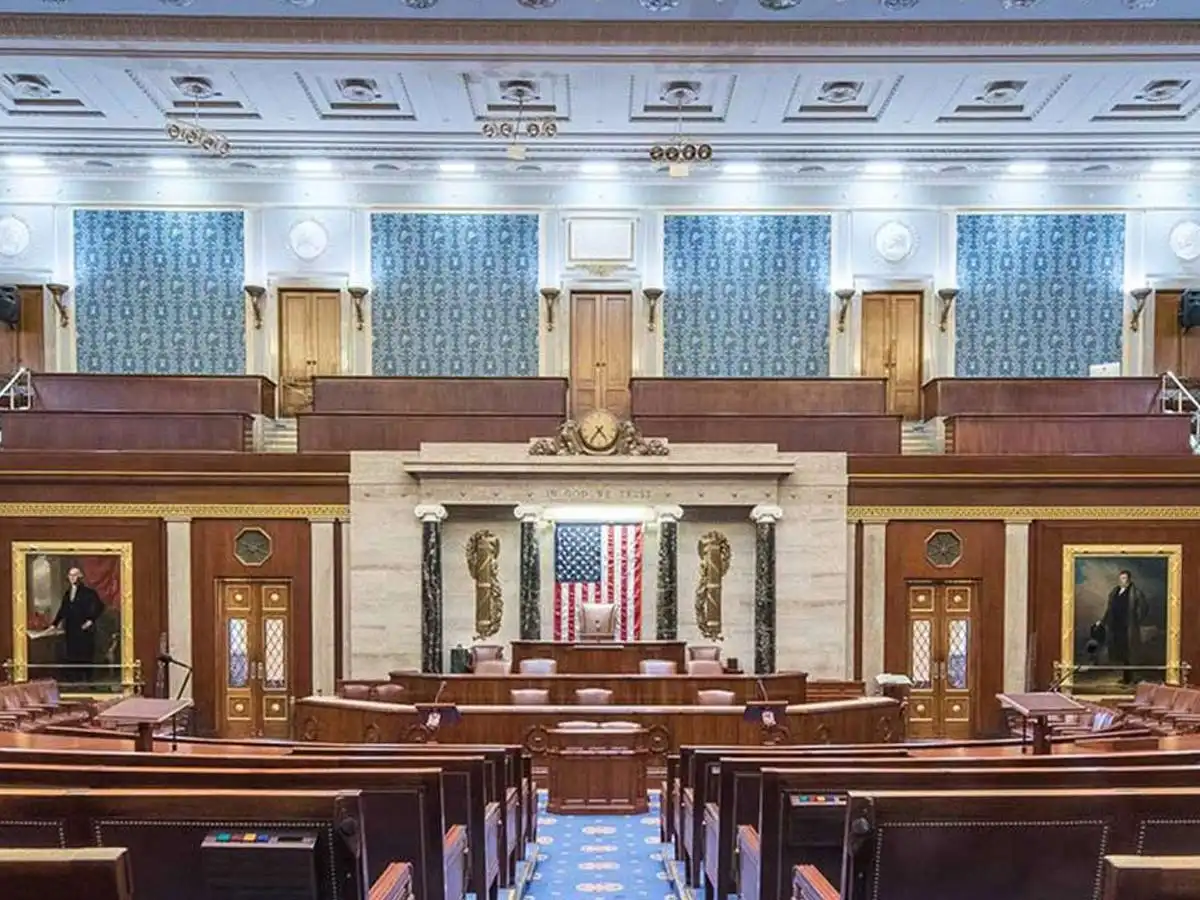

U.S. Representatives Mark DeSaulnier (D-Calif.) and Jimmy Patronis (R-Fla.) introduced the "Sunset Section 230 Act" to the House of Representatives on Thursday, September 11, 2026. This bill proposes to repeal Section 230 of the Communications Decency Act of 1996, a provision that has protected interactive computer services, including adult platforms, from liability for user-generated content.
New House Legislation
The proposed legislation, HR 10332, aims to hold large technology companies accountable by removing the protections of Section 230. The bill includes a two-year sunset provision, meaning the repeal would take effect two years after its enactment. The legislation has been referred to the House Committee on Energy and Commerce.
A press release from DeSaulnier’s office described Section 230 as "obsolete and dangerous." The release stated that repealing Section 230 would allow Americans to "bring legal action against big tech companies responsible for online harm." Section 230 was originally created in 1996 as part of the Communications Decency Act to encourage innovation and growth among new social media companies. The bill’s proponents argue that 30 years later, with these companies having become powerful, Section 230 has become obsolete and dangerous. The proposed two-year sunset provision aims to provide reform to tech policy, protecting social media users, particularly children, from harmful content and holding companies responsible for demonstrated injury to users of their platforms.
Rep. DeSaulnier stated in a press statement that "These companies have been profiting at the expense of young people, who have been harassed and subjected to harmful content." Rep. Patronis added in the same press statement, "Big Tech has become a crooked dealer, pushing digital fentanyl to our kids while profiting from their addiction. Enough is enough."
The bill is six pages long and features provisions that amend areas in the telecommunications code and federal statute to remove any mention of Section 230. If adopted by the Republican-held House of Representatives, it would cut Section 230 from federal statute and reinstate liabilities for the acts of third-party users onto companies that own and operate user-generated content platforms across the internet in the mainstream and adult entertainment sectors.
Previous Legislative Efforts
This proposal is one of several pending bills aimed at removing Section 230 protections. Another bill with the same name, the "Sunset Section 230 Act," was introduced in late 2025 by Senator Dick Durbin (D-Ill.) and the late Senator Lindsey Graham (R-S.C.), with the same goal in mind. This Senate bill, put forward by Senator Lindsey Graham with bipartisan backing from Senators Dick Durbin, Josh Hawley, Amy Klobuchar, and Richard Blumenthal, would repeal Section 230 of the Communications Act of 1934. Under this plan, Section 230 would be fully repealed two years after the bill’s passage. This short transition period would force websites, social platforms, and hosting services to rethink how they handle public interaction. The current statute stops courts from holding online platforms legally responsible as the publishers of material shared by their users. Its protection has been instrumental in allowing everything from local discussion boards to global platforms such as YouTube and Wikipedia to operate without being sued over every user comment or upload.
In February 2026, actor Joseph Gordon-Levitt spoke on Capitol Hill in Washington, D.C., urging lawmakers in both parties to adopt the Durbin-Graham proposal. Gordon-Levitt wrote, directed, and acted in the 2013 romantic comedy Don Jon that prominently featured Pornhub when it was still under MindGeek/Manwin ownership.
The Durbin-Graham bill has only been referred to the Senate Commerce, Science, and Transportation Committee, with no other action taken. Senator Graham died on July 11.
Impact on Online Platforms
Section 230 has been referred to as the "First Amendment of the internet" by civil society organizations, including the nonprofit Electronic Frontier Foundation (EFF). For nearly thirty years, it has shielded online platforms from liability for the actions of their users. The repeal of Section 230 would remove these protections, potentially exposing companies that own and operate user-generated content platforms, including those in the adult entertainment sectors, to new liabilities for the acts of third-party users.
Key Facts
- U.S. Reps. Mark DeSaulnier (D-Calif.) and Jimmy Patronis (R-Fla.) introduced the "Sunset Section 230 Act" on September 11, 2026.
- The bill, HR 10332, proposes to repeal Section 230 of the Communications Decency Act of 1996.
- The legislation includes a two-year sunset provision for the repeal to take effect.
- The bill has been referred to the House Committee on Energy and Commerce.
- A similar bill was introduced in late 2025 by Sen. Dick Durbin (D-Ill.) and the late Sen. Lindsey Graham (R-S.C.).
- Actor Joseph Gordon-Levitt spoke on Capitol Hill in February 2026, advocating for the Durbin-Graham proposal.